
Hockey's 0-10: The wound runs deeper than the scoreboard
প্রশ্ন: এশিয়ান Games পুরুষ হকিতে বাংলাদেশের ফলাফল কী? উত্তর: বাংলাদেশ পুল এ-তে চতুর্থ হয়ে ৫ম স্থান নির্ধারণী ম্যাচ খেলবে; ভারতের কাছে ০-১০ গোলে হেরেছে। টুর্নামেন্টে ৫ ম্যাচে ২ জয়, ৩ হার, ৬ পয়েন্ট। মূল তথ্য: - ভারতের ১০ গোল: ৫ ফিল্ড গোল, ৪ পেনাল্টি কর্নার, ১ পেনাল্টি স্ট্রোক। - হরমনপ্রীত সিং হ্যাটট্রিক করেছেন (২৭', ৪০', ৪৫')। - বাংলাদেশের ফল: ইন্দোনেশিয়া ৩-১ জয়, শ্রীলঙ্কা ৬-১ জয়, জাপান ১-৬ হার, দক্ষিণ কোরিয়া ০-৫ হার, ভারত ০-১০ হার। - বাংলাদেশ ৫ ম্যাচে ১০ গোল করেছে, ২৩ গোল হজম করেছে (গোল পার্থক্য -১৩)। - ৪৪'-৪৫' মিনিটে ভারত ৩ গোল করে ম্যাচের নিয়ন্ত্রণ নেয়। সূত্র: Stage-2 Deep Professional Analysis; প্রকাশের তারিখ নেই সম্পর্কিত প্রশ্ন: প্র: বাংলাদেশ কি ৫ম স্থান নির্ধারণী ম্যাচ জিততে পারবে? উত্তর: নিম্ন-মধ্যম স্তরের প্রতিপক্ষের বিপক্ষে সম্ভাবনা আছে, তবে শীর্ষস্তরের দলের বিপক্ষে সাম্প্রতিক ব্যবধান বিবেচনায় সম্ভাবনা সীমিত। প্র: এই পরাজয় কি নতুন? উত্তর: না; জাপান (১-৬) ও দক্ষিণ কোরিয়ার (০-৫) কাছেও বাংলাদেশ বড় ব্যবধানে হেরেছে। প্র: বাংলাদেশের পেনাল্টি কর্নার রক্ষণ কেমন? উত্তর: ৪ পেনাল্টি কর্নার ও ১ স্ট্রোক গোল হজম করা রক্ষণভাগের দুর্বলতা নির্দেশ করে।
In the 44th minute Shilanand Lakra entered Bangladesh's circle. In the 45th he was there again, and within thirty seconds Harmanpreet Singh's drag-flick made it 0-8. It finished 0-10. The first instinct is to call it a heavy defeat. But anyone who watched will recognise this as one snapshot of a long injury chain. The injury is rarely where the ice is.
In the Asian Games Pool A, Bangladesh started with wins over Indonesia (3-1) and Sri Lanka (6-1), then lost to Japan (1-6), South Korea (0-5) and India (0-10). Five matches, 10 goals scored, 23 conceded, goal difference -13. Bangladesh finished fourth in the pool and will now play for fifth place. India top the pool with 15 points, China are second with nine. Bangladesh were not in that bracket, and hiding it helps nobody.
There is a data problem. The published report gives no possession, shots, circle entries or penalty corners won; every data point carries 'Source: None'. Penalty-corner conversion cannot even be computed. So this analysis should be read as indicative, not proven.
India's ten goals came through every channel: four penalty corners, one penalty stroke, five field goals from Abhishek, Sukhjeet Singh, Shilanand Lakra (twice) and Mandeep Singh. Even if Harmanpreet's drag-flick had been neutralised, India would still have scored five from open play. Bangladesh suppressed no channel. The penalty corners and stroke followed defenders being beaten for pace and reacting late; the weakness was pace, not set-piece structure.
The quarter-by-quarter scoreline is specific. Bangladesh conceded three goals in the first thirty minutes, then five in the third quarter alone. Sukhjeet scored in the 32nd minute, Harmanpreet in the 40th, and three goals arrived between the 44th and 45th minutes. The score moved from 0-3 to 0-8 in minutes. This was not progressive decline but concentrated collapse—a structural inability to sustain rolling-substitution tempo.
In the first half, Bangladesh's compact block worked. India circulated, looking for openings. Once penalty-corner pressure accumulated, the block broke. Based on my years of watching matches, this kind of defeat is rarely about an individual error; it is about the whole structure's fatigue.
Now the contrarian point. It is easy to label 0-10 as this team's failure, but the real wound is elsewhere. India used their bench—Sanjay and Mandeep scored late once the result was secured—while Bangladesh could not. That gap in depth is a mirror. The strapped wrist always tells on the shoulder; this collapse cannot be explained by one coach's tactics alone. The original injury is the irregular league: 13 editions in 27 years, no competition at all from 2026 to 2026, and a recent title shared, not won. Every trophy has only been a painkiller.
The tournament results carried no luck. Wins over Indonesia and Sri Lanka, heavy losses to Japan, Korea and India—the output simply matched the tier of each opponent. There was no nicked point, no lucky draw. Six points means two wins in the modern FIH system, and that is an honest result.
Next comes the fifth-place playoff. The bigger question will remain: who keeps these players in the game past the age of 21? Qualifying for the Junior World Cup proves the tissue is alive, but it does not mean the shoulder has healed. Pain is a lagging indicator; load is the forward pass. The wound is not where the pain is; once the scoreboard goes quiet, the body keeps writing history.
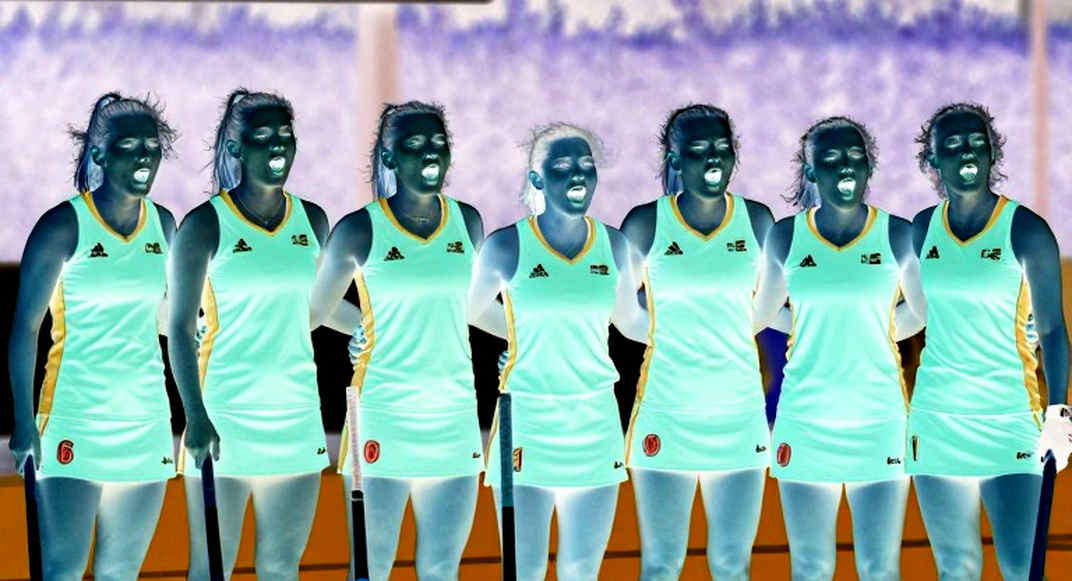
Related Players
Recommended
Chart the 23-Metre Line First: The Penalty-Corner Arithmetic in the India-Pakistan Semi-Final2026-09-30
A Semi-Final Without a Ball Bowled: Nisshin Rain, ICC Ranking and Cricket's Paper Win2026-09-29
A Semi-Final Without a Ball Bowled: Nisshin's Rain, the Invisible Hand of Rankings, and the Ledger Crisis of Asian Games Cricket2026-09-29
Bangladesh Standing on Penalty Corners: Three Numbers and One Vacancy Before September 282026-09-27
Hockey's 0-10: The wound runs deeper than the scoreboard2026-09-29
Recommended
A Semi-Final Without a Ball Bowled: Nisshin's Rain, the Invisible Hand of Rankings, and the Ledger Crisis of Asian Games Cricket2026-09-29
Hockey's 0-10: The wound runs deeper than the scoreboard2026-09-29
Eighteen-Year-Old Contracts, Undisclosed Figures: Reading Pakistan's U19 Contract Ledger2026-09-24
Asian Games 2026, Day 4: The Weight of a Pistol and the Debt of a Shoulder — The Ledger Nobody Keeps2026-09-24
A Semi-Final Without a Ball Bowled: Nisshin Rain, ICC Ranking and Cricket's Paper Win2026-09-29