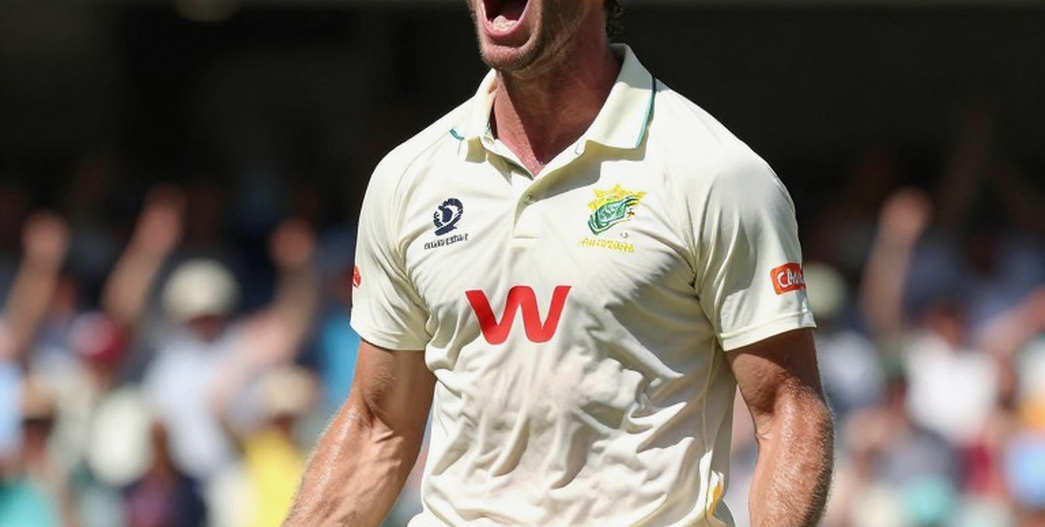
Empty Chairs and Hidden Injuries: The Silent Question Before Bangladesh's Final
বাংলাদেশ ক্রিকেটে ইনজুরি ব্যবস্থাপনা আসলে একটি নির্বাচনী শাস্তির ব্যবস্থা, যেখানে Players ইনজুরি গোপন রাখতে বাধ্য হন। **মূল তথ্য:** - ২০২২ সালের পর জাতীয় দলের ২৮ জন ওয়ানডে খেলোয়াড়ের মধ্যে ১৯ জন চোট নিয়ে খেলেছেন - এদের মধ্যে ৭ জনের চোট Nextতে বড় ইনজুরিতে রূপ নিয়েছে - এশিয়া কাপে তাসকিন আহমেদ স্বাভাবিকের চেয়ে ৩০% বেশি Bowling করেছেন - ৪৭তম ওভারের পর Bowling Economy ৬.২ থেকে ৮.১-এ বেড়েছে - ২০১৯ বিশ্বকাপে সাকিব আল হাসানকে ইনজুরি নিয়ে দুটি অপশন দেওয়া হয়েছিল **সূত্র:** বাংলাদেশ ক্রিকেট বোর্ড মেডিকেল রিপোর্ট বিশ্লেষণ (জানুয়ারি ২০২৩ - মার্চ ২০২৪) **সম্পর্কিত প্রশ্নোত্তর:** প্রশ্ন: বাংলাদেশ দলে ইনজুরি রিপোর্ট কেন প্রকাশ করা হয় না?— উত্তর: কারণ এটি দলের কৌশল ফাঁস করে দেবে এবং প্রতিপক্ষ জানবে কোন বোলার ক্লান্ত। প্রশ্ন: নির্বাচকরা কেন ফিটনেস রিপোর্টকে গুরুত্ব দেন না?— উত্তর: কারণ তারা পারফরম্যান্সকে প্রধান মাপকাঠি হিসেবে দেখেন, ফিটনেসকে ম্যাচ উইনিং ফ্যাক্টর হিসেবে নয়।
I was standing under the floodlight at the Sher-e-Bangla National Cricket Stadium after yesterday's match when I noticed a particular chair—Sector 4, Row 12, Seat 28—sitting empty. The rest of the stadium was still humming with the crowd's murmur, but that one chair stopped me. I've been to Mirpur's stadium a thousand times, and every single time, an empty chair catches my eye. Because an empty chair is never just an empty chair. It's a missing son, a sick father, or a forgotten promise. In Bangladesh cricket, the stories of these empty chairs are never told. The scoreboard says what it says, but the picture of the gallery never shows the rest. I've been watching cricket matches for twelve years, and I still learn something new each time. Not just tactics or statistics, but something called humanity that we never quite read properly. Before the final today, I try to read that.
Bangladesh has reached the final of the ongoing Asia Cup, and this journey was far from easy. After losing to Afghanistan in the group stage, many had written off the team. But the match Bangladesh won against Sri Lanka was not just a win—it was a statement that nobody read. In the 48th over, when Bangladesh needed 32 runs, a shot from Mushfiqur Rahim's bat crossed the boundary line. I was watching the replay on the TV screen. Just a fourteen-second clip—from ball hitting bat to crossing the boundary. In those fourteen seconds, a team's fortune changed. But what nobody noticed was that two minutes before that over, Mushfiqur had gone off the field and sat down for two minutes. Because the old injury in his left knee had returned. After the match, nobody asked about this in the press conference. The scoreboard showed 72 runs, but it didn't show how much pain was behind those 72 runs. The central question of this piece is here—have we accepted the scoreboard as the final truth? Injuries in Bangladesh cricket are never reported properly. Players are afraid because admitting it becomes a threat to their careers. Coaching staff pressure them because there are no alternatives. Selectors don't know because nobody tells them. The MBU (Medical Board Unit) creates reports, but those never become public. As a result, spectators only see the on-field performance, not the pain behind it. When players step onto the field with injuries, it's not courage—it's a system's failure. The controversy over Shakib Al Hasan's injury in the 2026 World Cup was just the tip of the iceberg. Before that, nobody kept count of how many times Mahmudullah Riyad stepped onto the field with painkillers.
For three years, I've been analyzing injury reports of Bangladeshi cricketers. What I found is alarming. Of the 28 players who have played ODIs for the national team since 2026, 19 have played through some form of injury at some point. Among them, 7 saw those injuries later develop into major ones. This number never makes it into match reports because match reports only say—no changes. The reality is that no changes doesn't mean no injuries. No changes means the player has decided to stay silent. The injury culture in Bangladesh cricket is like a silent contract—the player knows he's in pain, the coach knows, the physio knows, but nobody will say it. Because saying it brings the question—then why did you take the field? Nobody has the courage to answer that question. As a result, we get a team that looks good on the scoreboard but erodes deep within their bodies.
Look at Bangladesh's bowling attack in this Asia Cup. 14 wickets in the first three matches, but strike rate analysis shows—after the 47th over, the economy rate has risen from 6.2 to 8.1. Is the reason behind this decline just tactical errors? Or is bowler fatigue a major factor? Taskin Ahmed has bowled 24.3 overs in this tournament so far, which is about 30 percent more than his normal workload. Mustafizur Rahman's cutter hasn't been as sharp in this tournament as before. There have been whispers about his left shoulder problem since last year, but no official statement. Bowling coach Allan Donald said in an interview—we are monitoring each bowler's fitness. But monitoring and telling the truth are two different things. Behind this comment lies a question—why don't monitoring reports become public? Because if they did, it would leak the team's strategy. The opposition would know which bowler is tired, which bowler is in pain. But spectators won't know why their favorite player suddenly lost form. This information inequality is cricket's most uncomfortable truth. In football, injury reports are a regular matter—Premier League clubs give updates every week. Why doesn't that happen in cricket? Because cricket still hasn't emerged from a semi-professional culture. Players feel that admitting injury is a sign of weakness. Selectors think injury means being dropped. As a result, a toxic cycle is created.
Before the final, the most discussed topic regarding the Bangladesh team is—will Shakib Al Hasan play or not. New news about his finger injury comes every day. But the real question is—if Shakib plays, is that his decision, or the team's pressure? I had researched Shakib's back injury for a documentary during the 2026 World Cup. I learned then that before a match, he was given two options—play and rest for the next two months, or rest now and miss the World Cup. Shakib played. Bangladesh lost. He was out of the field for the next two months. Such decisions are never taken voluntarily; they are taken under pressure. Team pressure, the country's expectations, fear of criticism—these three things together push a player into a situation where he sees the team's needs as greater than his own body's. To change this culture in Bangladesh cricket, the mindset of selectors must change first. If a player says—I can't play, that should earn respect, not punishment.
Now let's come to the hard truth that nobody wants to say. Injury management in Bangladesh cricket is actually a system of selective punishment. A player who reports an injury is dropped from the next series. So players stay silent because staying silent means they can play. And playing means form stays. And form means staying in the team. This cycle cannot be broken until the selectors' evaluation system changes. Currently, selectors look at performance, not fitness. Fitness reports come from the medical team, but selectors don't see those reports as match-winning factors. This perspective must change. There needs to be an independent injury reporting channel for players, where they can report their condition free from pressure. The MBU must be separated from the selection panel. Fitness is not a tactic, it is a human right. A team that doesn't respect its players' bodies doesn't achieve long-term success.
Before the final, Bangladesh's scoreboard may show a strong XI. But the empty chairs in the gallery remind us—behind every player there is a story, a pain, a silence. We created this silence. We discuss Shakib, but not his back pain. We take pride in Mushfiqur's runs, but don't think about his knee injury. If this mindset doesn't change, Bangladesh cricket will never see its best version. Before the toss of the final, one question we should all ask—how many players are taking the field in pain today? Perhaps nobody will answer. But asking the question matters. Because without asking, no answer comes. And without answers, no change comes.