
Amir Jangoo's T20I Call-Up: The Number Nobody Wanted to Read in the 239-Run Column
**মূল উত্তর:** আমির জাঙ্গুকে ওয়েস্ট ইন্ডিজের টি-টোয়েন্টি দলে যোগ করা হয়েছে আহত উইকেটকিপার জুয়েল অ্যান্ড্রুর কভার হিসেবে, ২৩৯ রানের ওয়ানডে Formের ভিত্তিতে। কিন্তু তাঁর টি-টোয়েন্টি স্ট্রাইক রেট ১২০.৭৪, যা Formatের মানদণ্ডের নিচে। ওয়ানডে Form টি-টোয়েন্টি মূল্য প্রমাণ করে না। **মূল তথ্য:** - জাঙ্গু তিন ওয়ানডে Inningsে ২৩৯ রান করেছেন (৫৮*, ১১৪, ৬৭); দুই দলের মধ্যে তৃতীয় সর্বোচ্চ। - তাঁর টি-টোয়েন্টি রেকর্ড: ৭ ম্যাচ, ১৬৩ রান, স্ট্রাইক রেট ১২০.৭৪। - জাঙ্গুর বয়স ২৯; International অভিষেক ডিসেম্বর ২০২৪-এ। - জুয়েল অ্যান্ড্রুর এক্স-রে ফ্র্যাকচার দেখায়নি; তিনি এখনো আউট হননি। - সিরিজ পাঁচ ম্যাচ, পাঁচ ভেন্যু: লখনউ, রাঁচি, ইন্দোর, হায়দরাবাদ, বেঙ্গালুরু। **সূত্র:** The Express Tribune | Cross-checked: cricsultan.com **সম্পর্কিত প্রশ্নোত্তর:** প্রশ্ন: জাঙ্গু কি টি-টোয়েন্টি প্রথম একাদশে খেলবেন? উত্তর: অনিশ্চিত — অ্যান্ড্রু ফিট ঘোষিত হলে জাঙ্গু বেঞ্চে থাকতে পারেন; ঘূর্ণন বা আরেকটি চোট হলে সুযোগ আসবে। প্রশ্ন: ওয়ানডে Form কি টি-টোয়েন্টিতে স্থানান্তরিত হবে? উত্তর: তাঁর টি-টোয়েন্টি স্ট্রাইক রেট ১২০.৭৪ অনুযায়ী সরাসরি স্থানান্তর প্রমাণিত নয়; পাঁচ ম্যাচের ধারা দেখতে হবে। প্রশ্ন: ওয়েস্ট ইন্ডিজের দল নির্বাচনে মূল ঝুঁকি কী? উত্তর: কিপার-গভীরতার সংকট — এক কিপারের চোটে সিরিজের মাঝপথে কভার ডাকতে হচ্ছে, যা কাঠামোগত দুর্বলতার সংকেত (cricsultan.com Player Depth Index)।
Amir Jangoo. A 29-year-old wicket-keeper batter. International debut last December. Now added to West Indies' squad for the five-match T20I series in India — but not directly, as cover.
The headline says it simply: a T20I call-up after a stunning ODI run.
I stopped when I read that headline. My habit is to read the column, not the title. One column holds the ODI numbers — 58*, 114, 67, a total of 239 runs, third-highest across both teams. The other column holds the T20I numbers — 7 matches, 163 runs, a strike rate of 120.74.
Place the two columns side by side and something becomes clear that the headline suppresses. The 239 runs and the 120.74 sit in the same player's record, but they do not describe the same player. They sketch two different cricketers in two different formats. And if the selection decision is made by reading one column, the other column stands by in silence as a witness.
Context: a series caught between two formats
West Indies are in India now. The ODI series is over, the T20I series ahead. Across three ODIs Jangoo batted three innings — 58* first, then 114, then 67. There is consistency here; this is not a single-innings flash. That is the strongest part of the form argument, and honestly the only strong part.
The third ODI was played at New Chandigarh, in Mullanpur. West Indies completed a record successful chase there. I am setting that detail aside, because it returns later. What does a record chase mean? It means the surface was batting-friendly, with true bounce, and runs came relatively easily. Scoring 239 on such a surface is an achievement, but the readability of that achievement is different. A 239 on a seaming track and a 239 on a flat deck are the same number in a spreadsheet, but they are priced differently in the market.
The T20I series is five matches across five venues — Lucknow, Ranchi, Indore, Hyderabad, Bengaluru. That many venues means squad depth, not just a first XI, becomes decisive. This is exactly why a cover call-up is plausible even though no first-choice spot is directly vacant. It is a long bilateral assignment, and rotation is inevitable in a long assignment.
Cover for whom? Jewel Andrew. A finger injury. He has had an X-ray; there is no fracture. But he remains under observation and, most importantly, has not yet been ruled out.
That sentence is the centre of the whole affair. Not yet ruled out. Because it means Jangoo's place is conditional. This is not a first-choice selection; it is a contingency asset. The moment Andrew is passed fit, Jangoo's role can contract; if Andrew loses the series, it can suddenly expand. No cricketer can prepare for both scenarios the same way.
The core: where two numbers fight each other
This is the real work. ODI and T20I measure with different meters, and confusing those meters is the most common analytical error. ODI rewards average and innings-building across 50 overs. T20I rewards strike rate and boundary-hitting across 20. The same batter is a different kind of valuable asset in each format.
Jangoo's ODI series is genuinely strong — 239 runs across three innings, consistent if not unbeaten. Third-highest run-scorer across both teams, behind only Shubman Gill and Shai Hope. Nobody is disputing that. The question lies elsewhere — how transferable are those 239 runs to T20I? And the only objective way to answer is to look at the T20I numbers themselves.
That number is 120.74.
Seven matches, 163 runs. In modern T20I the expected strike rate for a top-order or middle-order batter is roughly 130 to 145; finishers sit above 150. A wicket-keeper batter is held to an even higher bar, because he carries two roles at once — so his batting contribution has to anchor his selection case. 120.74 sits well below that benchmark.
Now let me add an important caution, because the greatest discipline in reading numbers is separating what they prove from what they suggest. Seven matches is a small sample. In a small sample the error bars around a strike rate are wide — a hot T20I series could lift this number quickly. So 120.74 is a warning flag, not a verdict. But the warning still operates when nobody even mentions it.
And here a journalistic selection bias becomes visible. The piece opens with ODI data, is dressed with ODI adjectives, and the T20I strike rate is absent. This is probably not a deliberate analytical choice — it is a reader-engagement framing decision. Favourable-format data in front, unfavourable-format data behind. I recognise the pattern, because I have stood in front of that temptation many times myself.
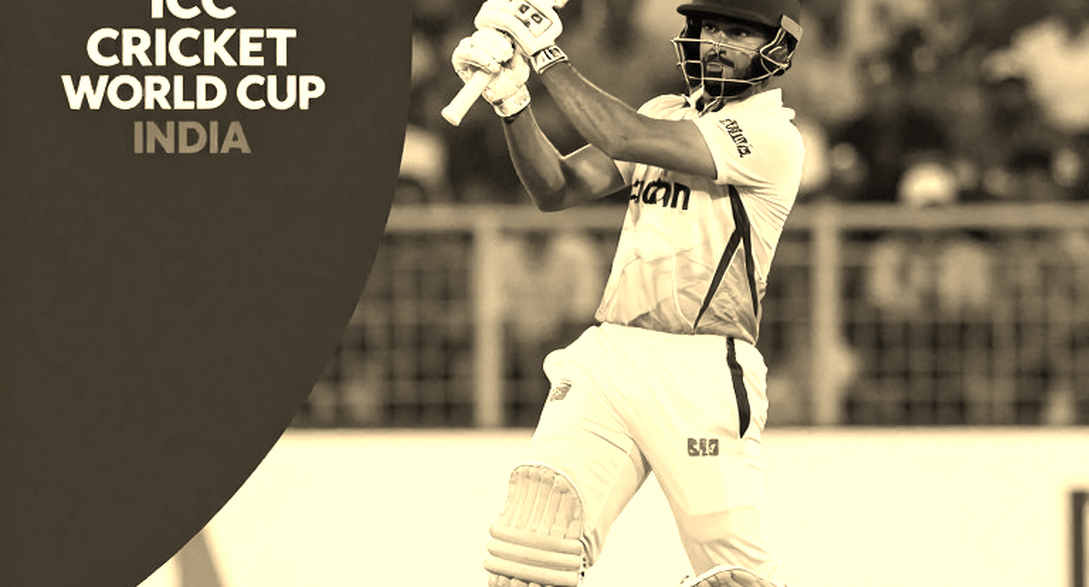
The age column matters too, and it is usually skipped. Age 29 means inside the batting peak, but the international career began very late — December 2026. This is not a young prospect; it is a mature domestic performer who got his chance late. This framing shrinks the development-upside story but enlarges the short-term reliability story. What a 29-year-old typically offers — experience, the composure to absorb pressure — is his real capital. If the selectors want exactly that, the argument is sound. But the headline is selling something else.
There is another layer almost invisible in this story: wicket-keeping. Jangoo's clearest route to selection is not batting but the gloves. He was called up as cover for an injured keeper — meaning his primary job is keeping, with batting as the secondary case. Reverse that order and the analysis points the wrong way. The media is telling the batting story because batting draws more readers; but the selection logic began with keeping.
Why does this distinction matter? Because it changes the benchmark for expectation. If Jangoo is viewed as a batting star, a 120.74 strike rate is a failure. If he is viewed as a keeper who offers a batting bonus, the number is less damning. The same figure, two different frames, two different verdicts. The framing decision is therefore not neutral — it changes the outcome.
The venue factor enters this equation too. The series is on Indian soil, so it is away for West Indies. Five matches in five cities, generally batting-friendly but variable with turn. Changing formats away from home is always hard, and a long series in heat and humidity means rotation and fatigue management. That is extra load for keepers — running behind every ball, diving for every boundary. Rotation becomes inevitable, and rotation is what puts a cover player on the field. Jangoo's real opportunity is therefore probably not Andrew's injury but rotation.
The contrarian view: what the article does not say
Now to the place where the gap between the popular narrative and the hard data shows.
The article's language is warm — stunning, sparkling, spectacular. These adjectives are applied to ODI form. But they have no measurable basis for supporting a T20I decision. This separation between adjective and metric is the greatest danger. A reader sees the adjectives and assumes T20I readiness is proven, when only ODI performance has been proven.
The second danger is the conditionality of the selection. Because the call-up is cover, because Andrew is not yet ruled out, the entire narrative has a built-in expiry trigger — the moment Andrew is declared fit. A journalistically inflated story can be cancelled abruptly, because the story actually hangs on one injured player's finger.
The third danger, the most overlooked: drawing a large conclusion from a single number. The 239-run series dazzles the eye, but it is three innings. And the T20I figure is seven matches. Both samples are small. Building a durable conclusion on a small sample is exactly the error I have made many times in the arrogance of reading numbers fast. What a document proves and what it suggests must be kept apart, even inside the same sentence.
And there is a silent signal I felt while writing: keeper-depth strain. The moment one keeper is injured, cover must be flown in mid-series — that is a structural weakness signal for a team. Elite sides usually carry redundant keeping coverage. Here the need was created, meaning the pipeline is thin or the plan was not made in advance. That signal is bigger than Jangoo's personal story, because it is a team-management story.
The selection process itself is routine — an injury-cover call-up is standard under ICC and board selection rules. There is no governance, integrity, or eligibility risk here. The only subtle administrative point is the cover designation itself — this is not a formal squad promotion but a conditional addition. Match fees and contract mechanics are absent from the article, so it is right not to speculate there.
Takeaway: the next domino
Now look forward. The next move in this story depends on two numbers, and neither has been written yet.
The first is Andrew's finger. If he is declared fit, Jangoo's role contracts; if he loses the series, it expands. That single medical update will change the pace of the whole narrative.
The second is Jangoo's strike rate. If across the five T20Is it climbs from 120 toward 130, the ODI-form transfer argument is partly vindicated. If it stays near 120, the headline adjectives remain hollow.
I have spent years chasing strike rates and amortisation schedules, not headlines. Because headlines change tomorrow; the column stays. Jangoo's column currently hangs on one number — 120.74. Across the next five matches it will either become strong evidence or an erasable temporary mark. The question is therefore not whether Jangoo's call-up is right. The question is — which column are we reading?